What We Do: tattoo styles, cover-ups and first tattoos in New Hampshire
Three decisions readers bring here
Readers who come to a guide like this are usually weighing one of three decisions. Some want to know which style suits a design they have in mind. Others are planning a cover-up or want to know what to ask before a first session. We wrote the guide for people who would rather check a claim than take anyone's word for it. Each part of the site says where its facts come from.
Four areas and where each one is answered
Choosing a style
The style helper on the resources page asks about the design, its size, the spot on the body and how the reader wants it to look in several years. It compares fine line, neo traditional, Japanese traditional, black and grey realism, watercolor, anime and floral work. It ends on one recommendation, or on two when the answers genuinely split. The reasoning is shown under the result.
Cover-ups and older ink
Covering an old tattoo usually means darker colours and a denser, larger design, which limits fine, light or minimalist ideas, as Ray Studios notes. The style helper treats a cover-up as its own case, because it starts from ink that is already there. The laser timings in the table below matter if fading comes first. The community FAQ takes up whether a tattoo can go over a scar.
First tattoos
A first tattoo raises the same questions as any other, with less experience to lean on. The minimum age and the training an artist must complete are set out in the table below. The Bulletin covers the practical questions about money, such as quotes, deposits and tipping. Walk-in and booked sessions are covered there too.
Where this guide stops
This guide does not list or rank shops, and it names no studio as the one to use. It does not quote the prices of any particular studio. Where it points a reader to a business, that pointer sits on the home page. Everything else on these pages is about the style, the body and the process.
Numbers to check before you book
| Figure | What it means for a reader | Source | Period or scope |
|---|---|---|---|
| 18 years | The minimum age for any tattoo in New Hampshire, with no parental-consent exception for tattooing. | RSA Chapter 314-A, Body Art (New Hampshire General Court) | Statute text checked 10 November 2026 |
| 1,500 hours over 12 to 24 months | Supervised training an apprentice completes before a state practitioner licence. | CHAPTER Plc 600 Body Art Rules (New Hampshire General Court) | Rule text checked 10 November 2026 |
| 6 to 8 weeks | The typical gap between laser sessions when ink is faded or removed. | Laser Tattoo Removal (UCSF Health) | A typical schedule, not a guarantee of results |
| 1 to 2 years | How old a flat, pale scar should be before it generally holds ink well. | Tattooing Over Scars (Acibadem International) | A hospital group's article, not a clinician's own page |
| A few months | How long larger tattoos, such as sleeves and back pieces, take to heal fully. | Tattoo Aftercare Tips From a Dermatologist (Cleveland Clinic) | Varies by person and placement |
| These are the sources' own figures, not New Hampshire prices or advice for your skin. Check any figure against its source before you act on it. | |||
Where to go next, and what the pictures show
The resources page is where a style choice gets worked through. The community FAQ answers the questions about pain, healing and scars. The Gallery shows finished work with a note on what to check in each piece. The Bulletin takes the practical questions about money.
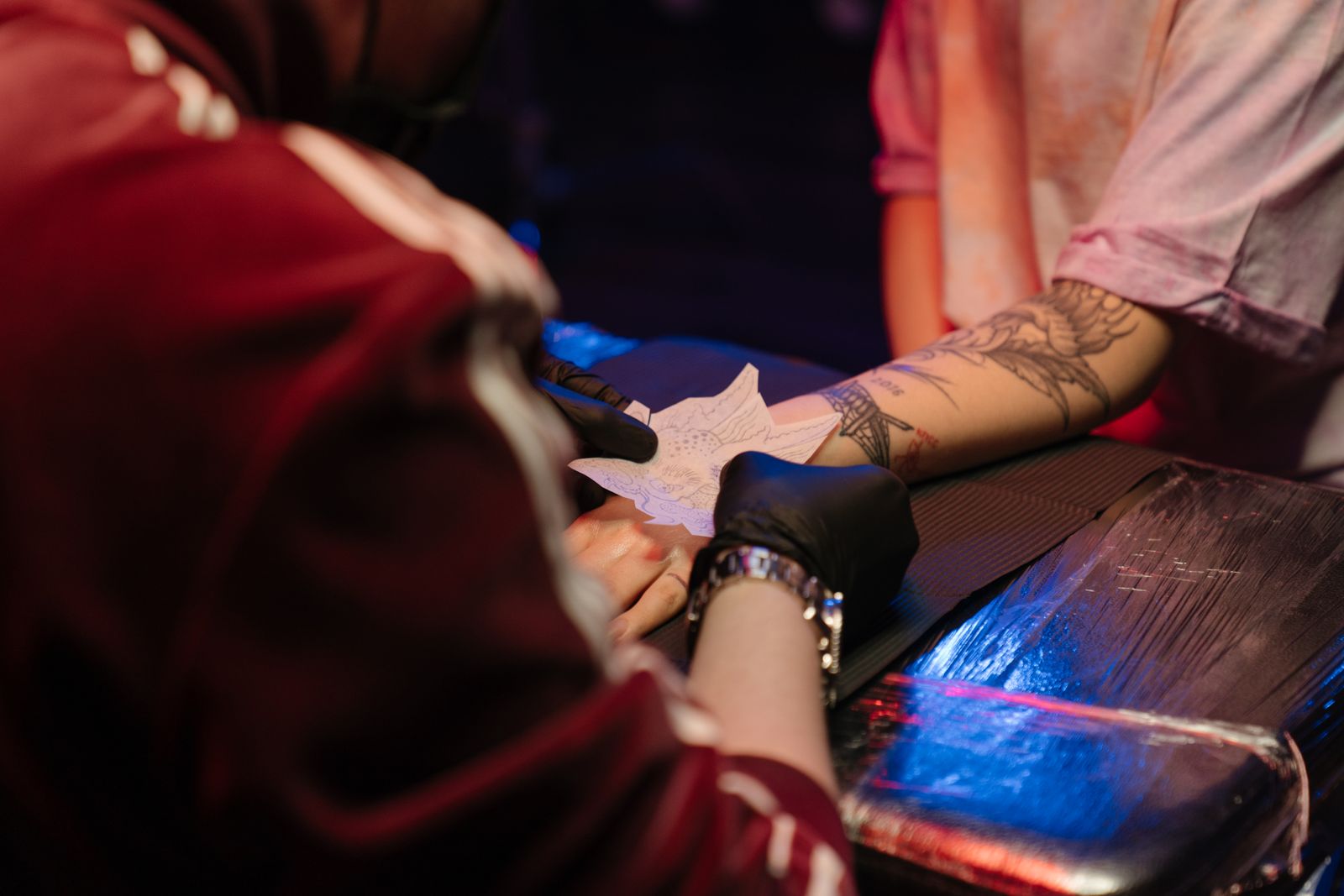
The pictures on these pages are stock photographs or AI-generated images, and each caption says which. None of them is evidence of any business's work. This guide has not visited, hired or tested any studio, and it does not claim otherwise. The pictures are there to show a setting or a technique and nothing more.

A video on running a studio, from outside this guide
This guide did not make the video below and does not vouch for every point in it. It is here for readers who want to understand a studio as a business, which this guide does not cover in depth. The speaker's account is one view of running a shop, so it sits alongside the style pages rather than in place of them. The video plays through YouTube.