Bulletin: the practical side of getting tattooed
Dated notes on prices, tips, deposits, walk-ins and the questions to put to a studio. Each stands alone, and none names a shop.
Picking a style is one job, booking is another
Most questions about a tattoo arrive after the design is settled. Style, size and placement shape the price and the hours. None of that appears on the flash wall. This is where we cover the practical edge: prices, tips, deposits, gift cards and walking in versus booking. For the choice of style itself, the decision helper on the resources page does the work.
A quote is only as good as the description it was built from, so describe the design before you ask for a price.
Four notes on timing, money and tips
Walk in or book ahead
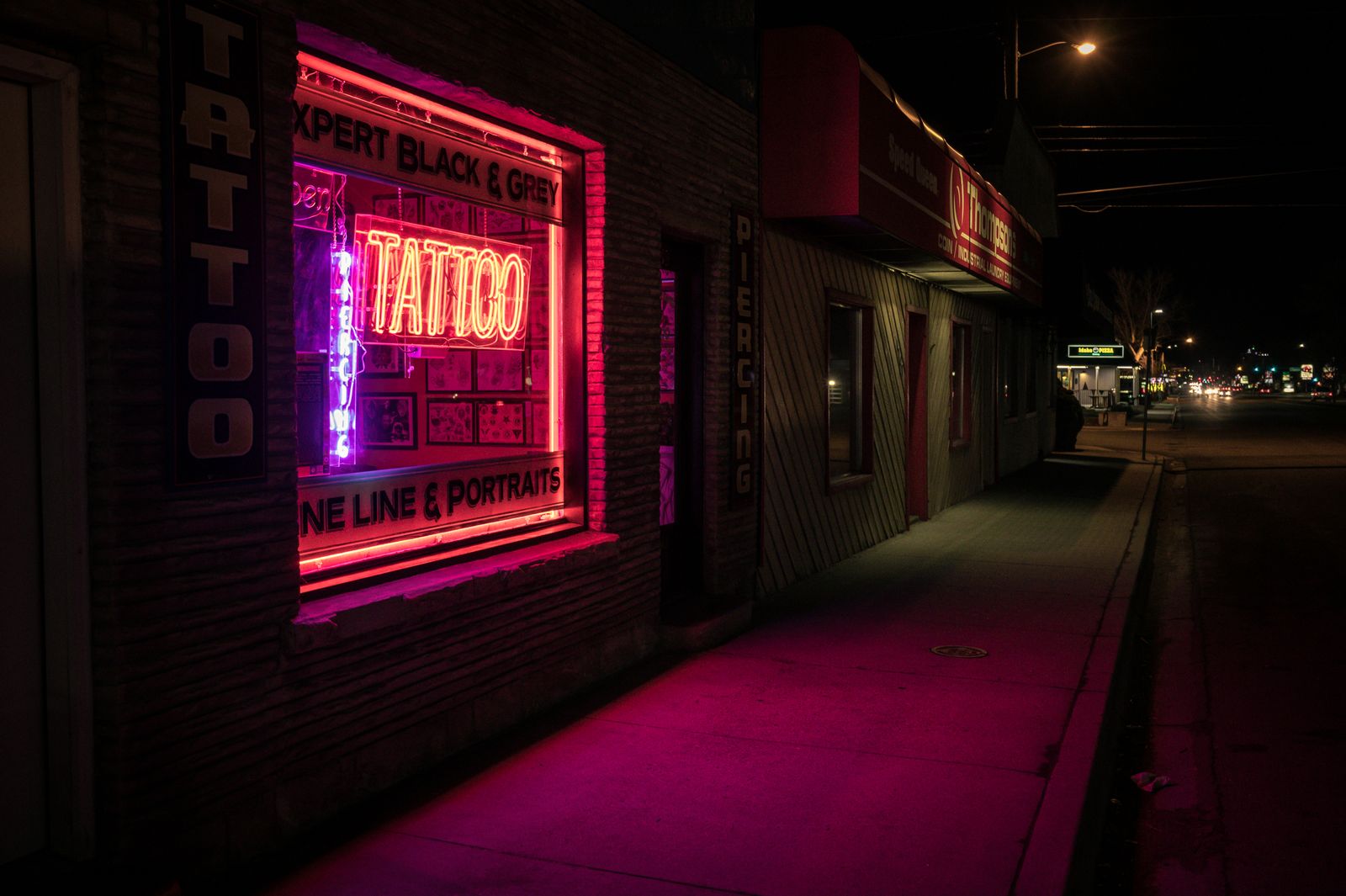
A walk-in means turning up without an appointment and taking whatever time is free. Booking means agreeing a slot ahead, which suits work that runs for hours. A small, simple piece can sometimes fit a walk-in, while a large custom piece is normally planned ahead. Policies differ, so ask each studio how it handles walk-ins before you go.
What a quote is built from
Many studios price custom work in two parts. There is a shop minimum, the least they charge even for a tiny piece, and an hourly rate for longer work. Color work is priced higher than black and gray work of the same size. Ask for the estimated hours and the rate, not only the total.
Tipping, and what the number means
A tip is a sum on top of the price, given at the end if you choose to give one. The Certified Tattoo Studios guide to tipping gives 15 to 20 percent of the total cost. The same page also says 20 percent, so treat the range as a guide, not a rule. No studio should make a tip a condition of the work.
Deposits, gift cards and flash days
The sources we read give no deposit amount and no gift card rule, so we give none here. Ask whether a deposit comes off the final price, and what happens to it if you cancel. For a gift card, check what it covers and whether it expires. A flash day is, in general terms, a session where a studio offers pre-drawn designs, so ask which are on offer.
Three figures to hold a quote against
- $80 to $150
- The usual shop minimum, the least a studio charges even for a tiny piece. US marketplace figure, from Airtasker's tattoo cost guide, updated 1 October 2026.
- $100 to $200
- An hour for custom black and gray work or multi-session work. US marketplace figure, from Airtasker's tattoo cost guide, updated 1 October 2026.
- $150 to $300
- An hour for custom color work or multi-session work. US marketplace figure, from Airtasker's tattoo cost guide, updated 1 October 2026.
These are US-wide marketplace figures, not New Hampshire prices. Minimums vary with location and studio reputation, so a rate can differ from one town to the next. Use the numbers as a starting point for asking, not as a quote for any piece. Put the same questions to every studio so the answers can be compared.
What to write down before you book
Write each request down in the same words every time. Note the size, the placement and any old tattoo or cover-up the new piece would touch, since each one changes the hours. Keep each reply with its date and the price it gave. A reply that changes between messages is worth raising before you book.

Ask for the deposit terms, the cancellation terms and the total you expect to pay, including any tip. Ask how long a session is expected to take, so the day can be planned around it. A studio that answers all of these plainly makes the rest of the booking easier to judge. If it cannot, that is worth knowing before any money changes hands.
For the choice of style, the decision helper on the resources page works through design, size and placement. The community FAQ covers pain, scars and cover-ups. This bulletin stays with the price and the booking. Together the three pages cover the choice, the cost and the questions to ask.