Our Mission: how this guide makes a recommendation
Permanent Neighbors is an independent guide to choosing a tattoo style and an artist in New Hampshire. This page says what our judgment rests on and what we will never do.
Sources first, and no shop's word on its own
We are a guide, not a studio. We do not tattoo, sell ink or book appointments, and nobody on this site sits in a chair. What we do is read public sources: the New Hampshire body art statute and its rules, the U.S. Food and Drug Administration's notes on tattoo ink, and dermatology guidance on how skin heals.

Where a source is weak, old or only a commercial page, we say so beside the claim. We then set the answer out in plain words, so a reader can check the step that matters to them.
A recommendation is only worth as much as the check behind it, so we say what we checked.
Three checks come before any recommendation
First comes the question. Every page starts from one thing a reader needs to decide, such as whether a design will still read well after several years, or what to ask before booking. A page that cannot answer its question honestly says so instead of writing around it.
Second comes the source. We open the primary text where one exists: the statute, the rule or the agency's fact sheet. Where the only source is a commercial page, we name it as that and keep its figures out of any headline claim.
Third comes the comparison. Options are set side by side with the trade-off each one carries, and the reasoning is printed, so a reader can disagree with one step instead of accepting a verdict.
The setting the rules apply to
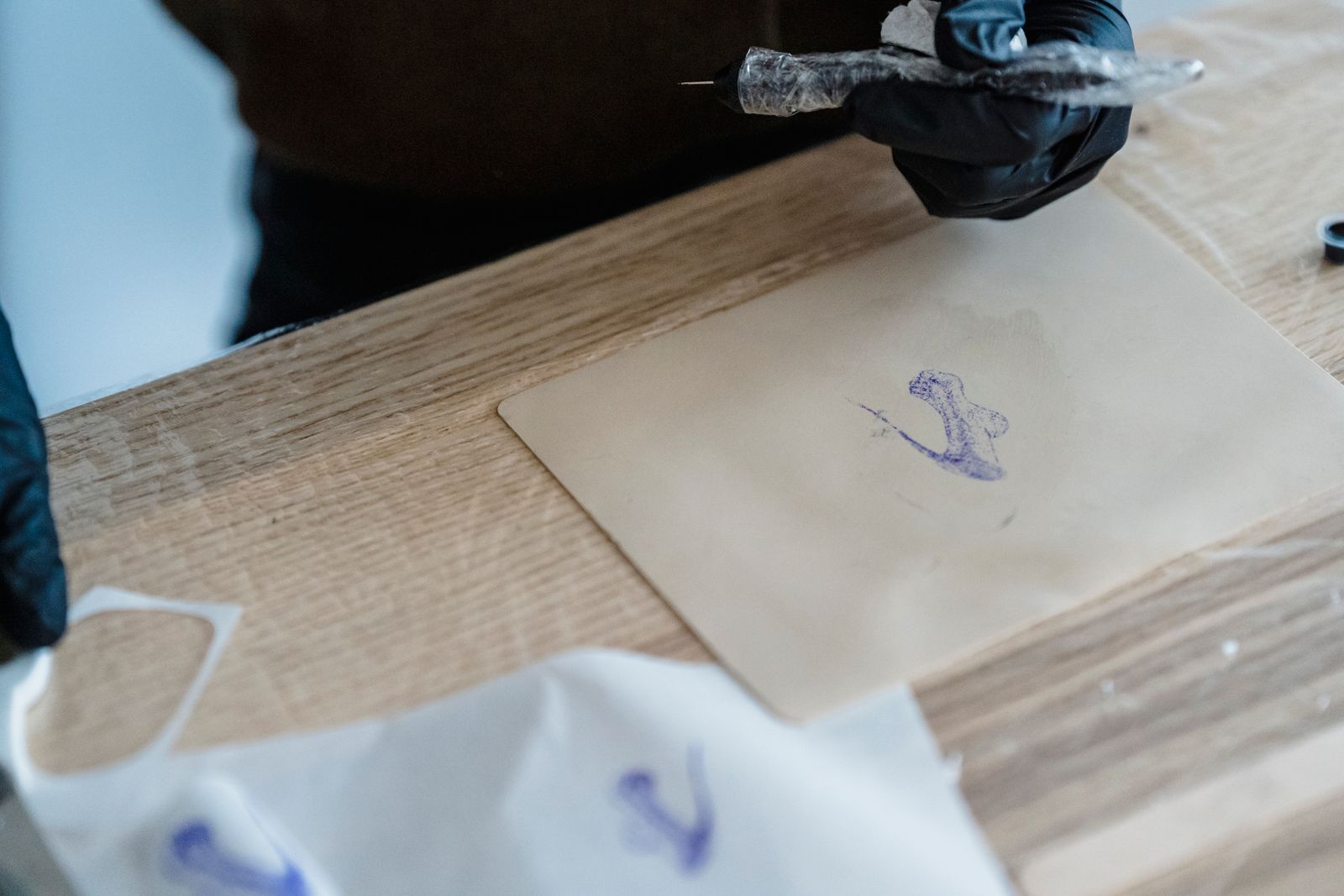
The clip below is stock footage of a tattooist working in a studio. It is here to show the room the rules on our resources page apply to. It is not a demonstration we have checked, and it says nothing about any particular artist.
What this guide will not do
No figure without a source
Every price, rule or healing time on these pages names the source it came from. Where no source could be found, the page says so rather than filling the gap.
No rankings
We do not order studios by quality. The style helper and the questions on our resources page are how a reader narrows the choice.
No invented voices
No testimonial, review or customer quote appears here. Where a sentence is quoted, it is a published source or one of ours.
No claims about visits
We have not visited, hired or tested any artist. If that ever changes, this page will say so and give the date.