Resources for choosing a tattoo style
Answer five questions about the design, the spot and how it should age. The helper narrows the styles this guide covers and lists the questions to put to an artist.
What this page covers and who it helps
This page is for a first-time reader and for anyone who already has a tattoo and wants another. It does one job. It turns a few answers about design, size, placement and aging into a short list of styles, then into the questions to ask an artist before booking. It does not choose an artist for you.
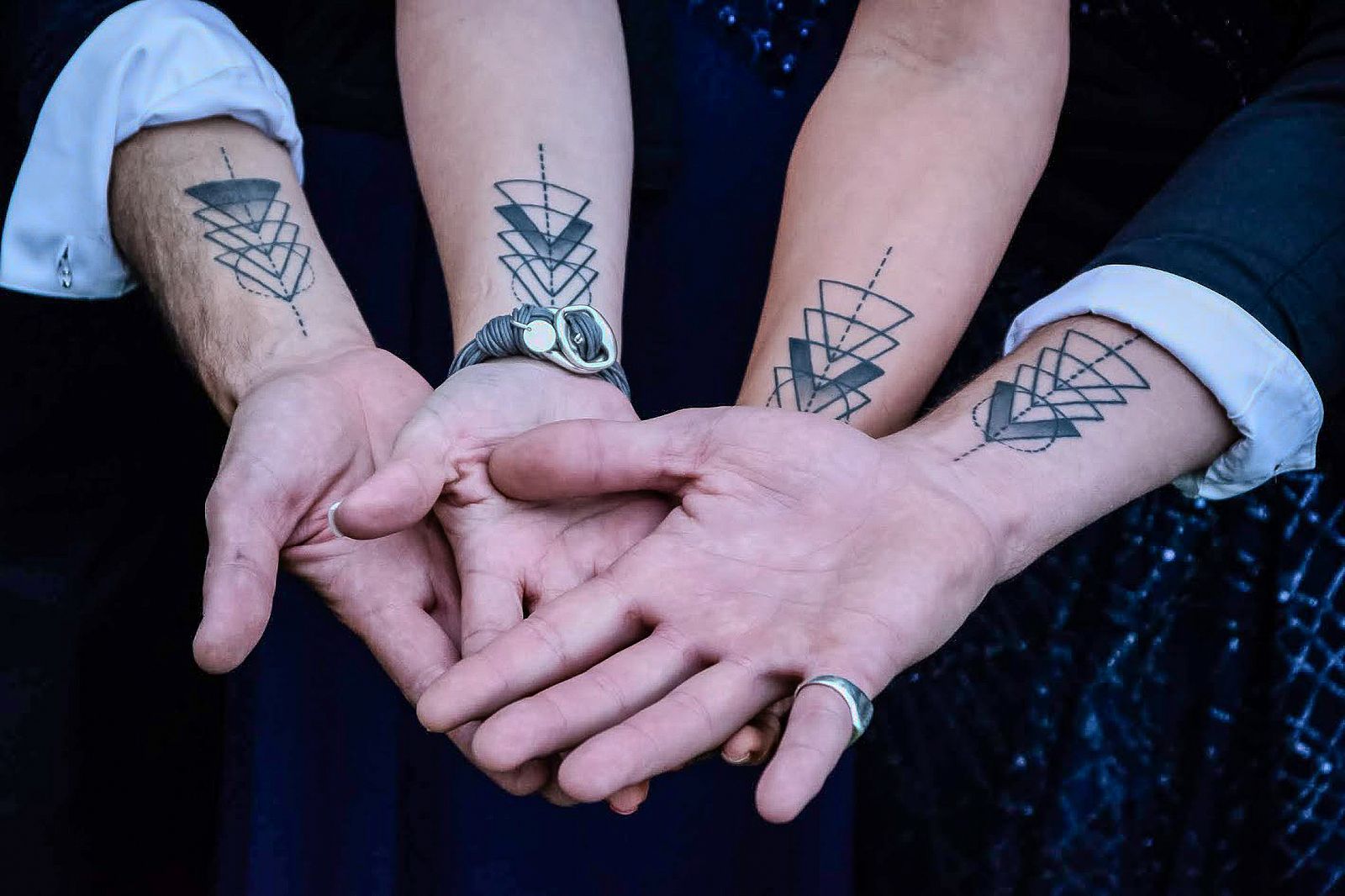
The core argument here is short. Choose a style by how it will age at your size and in your spot, and judge an artist by healed work rather than fresh photos. A picture taken the day a tattoo is finished shows the work before it has healed.
Use the helper first, then take its questions to any artist you are considering. We print the reasoning under each result, along with what we could not source.

Find the style that fits your answers
Your style
Assumptions: the helper reads only the five answers above. It does not see your skin, your design or any artist's work, and it prints no prices.
Questions to put to any artist
Each style at a glance
- Fine line
- Thin, precise linework suits small pieces and clean spots. This guide has no sourced finding on how fine lines age, so the check is healed fine-line work.
- Neo traditional
- Bold outlines and solid color read well at medium and large sizes. No sourced finding on its aging is held here, so compare healed pieces of a similar size.
- Japanese traditional
- Large compositions with a set visual language, often built across a limb or the back. This guide has not checked sources for the style, so ask about healing and placement.
- Black and grey realism
- Shading and tone for portraits and detailed scenes. Depth of tone is the question to ask about, and the guide holds no sourced figure for how it ages.
- Watercolor
- Soft color washes and blended edges that depend heavily on the artist. No source was checked for its aging, so ask to see healed washes.
- Anime
- Character art with clean outlines and flat color. Not researched here, so judge the outline weight and color in healed examples.
- Floral
- Botanical designs that fit many sizes and spots. Not researched for aging here, so check the spacing of petals and leaves in healed work.
- Cover-up
- Covering old ink usually means darker color and a denser, larger design, which limits fine, light or minimalist ideas. Laser lightening may need to come first.
Where to go after the helper
Ask for the license
Ask to see a current New Hampshire body art license before you book. If an artist will not show one, you have your answer.
Ask for healed work
A fresh photo shows a design on the day it was finished. Ask for healed pieces in the style you chose, at a similar size and in a similar spot.
Ask about the needle
Ask whether a new, single-use needle will be opened for you. Ask how the studio handles its instruments, too.
Ask for aftercare in writing
Ask for aftercare instructions in writing and out loud, and keep the written copy. Healing questions are easier to answer with it in hand.
Three figures we can stand behind
- 8
- styles compared in the helper above, from fine line to cover-up.Counted from this page's own helper
- 1,500
- hours of supervised training a New Hampshire apprentice must complete before licensure, spread over 12 to 24 months.New Hampshire body art rules, Plc 600
- SPF 30
- or higher, the water-resistant sunscreen dermatologists advise on tattoos. Petroleum jelly can fade ink.Healio report of American Academy of Dermatology advice, September 2014
Where the rules on this page come from
- New Hampshire RSA Chapter 314-A, Body Art
- The state statute that governs tattooing in New Hampshire. It requires a license to tattoo and prohibits tattooing anyone under 18.
- Alliance of Professional Tattooists
- A nonprofit trade association focused on tattoo health and safety, with public safety information and bloodborne pathogens training for tattooists. It is an industry body and does not license or certify artists.